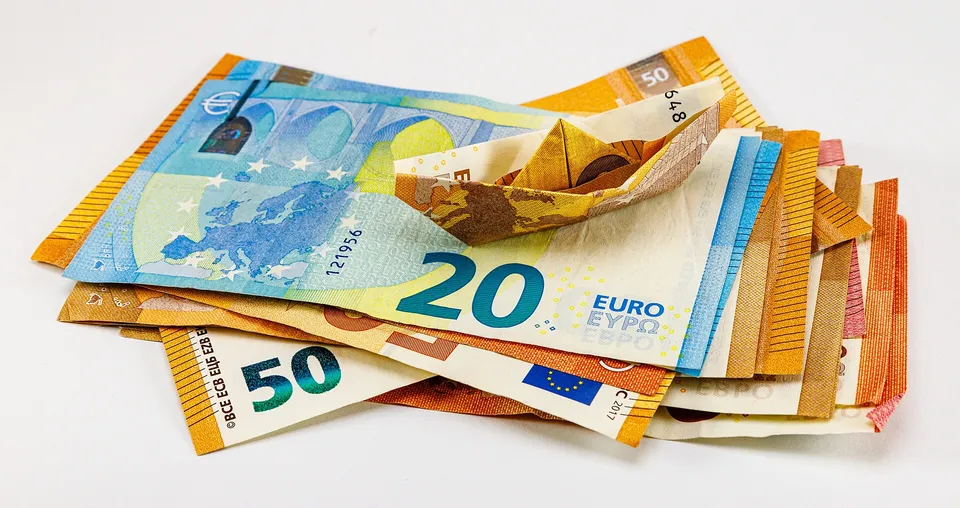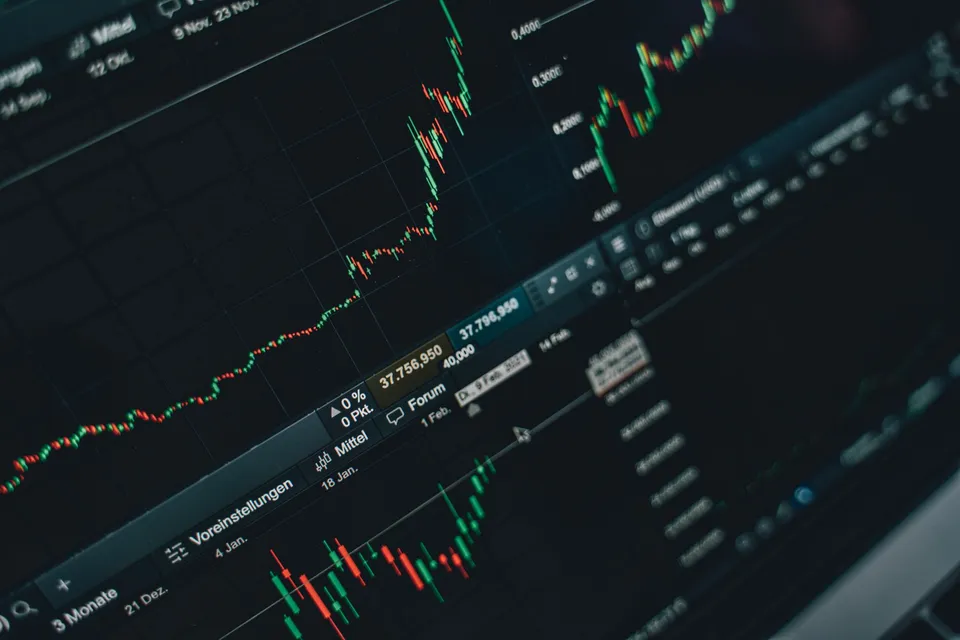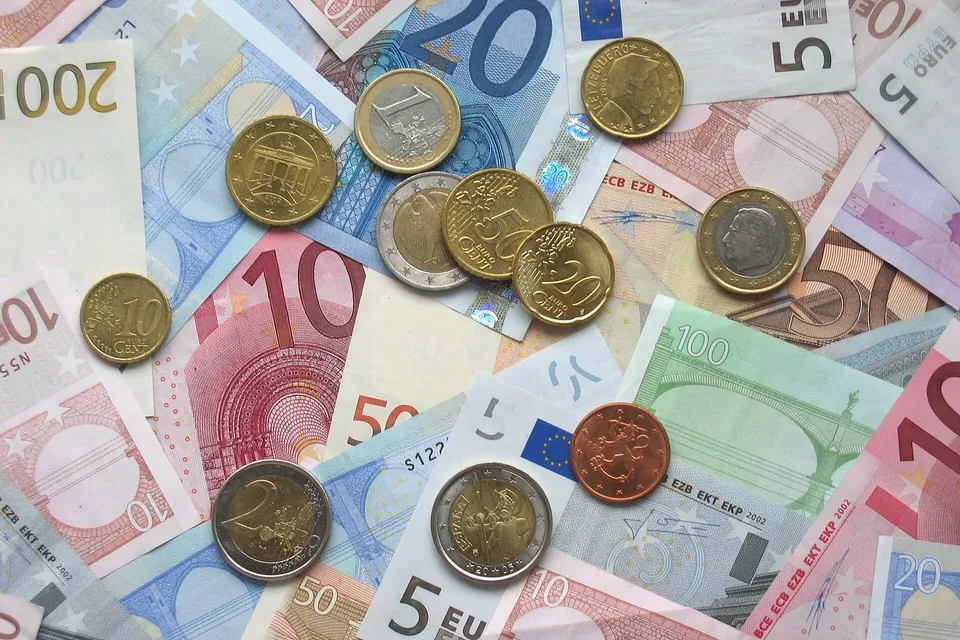
For Switzerland, few currency relationships are as important as the one between the Swiss franc and the euro.
The European Union surrounds Switzerland geographically and represents an essential economic partner. Swiss companies sell products throughout Europe, Swiss consumers buy European goods and thousands of people regularly move across the country's borders for work, tourism and business.
That makes EUR/CHF much more than a forex chart.
It is a window into the economic relationship between Switzerland and Europe.
Two currencies, two central banks
One of the most important forces behind EUR/CHF is monetary policy.
On one side sits the Swiss National Bank.
On the other is the European Central Bank.
When traders believe interest rates in one economy will remain higher than in the other, currency expectations can change.
But markets rarely wait until a central bank actually changes rates.
They react to expectations.
Inflation reports, employment figures, economic growth and speeches by central-bank officials can therefore move currencies long before an official monetary-policy decision.
Why Switzerland watches a strong franc
A stronger Swiss franc increases the purchasing power of Swiss consumers abroad.
European products can become cheaper in CHF terms, and travelling within the eurozone may become more affordable.
For exporters, however, a strong franc can create pressure.
Switzerland is home to globally recognised pharmaceutical, industrial, consumer and luxury companies that generate substantial revenue outside the country.
If those foreign revenues are earned in euros while significant costs remain denominated in Swiss francs, exchange-rate movements can affect financial results.
This is why the SNB pays close attention to excessive currency appreciation.
In September 2026, the SNB kept its policy rate at 0% and reaffirmed its willingness to intervene in the foreign exchange market if necessary.
The euro has its own forces
EUR/CHF is not solely a story about Switzerland.
Economic developments across the eurozone matter just as much.
Inflation in Germany, economic activity in France, political developments within the European Union or a change in ECB expectations can all affect the euro.
The currency pair therefore reflects two constantly changing economic stories.
Sometimes CHF is driving the movement.
Sometimes EUR is.
Often, both are moving simultaneously.
Risk sentiment can change everything
There is another element that makes EUR/CHF particularly interesting.
The Swiss franc has historically been regarded as a defensive currency.
When global uncertainty increases, demand for CHF can rise even when the source of the uncertainty has little direct connection to Switzerland.
This creates an important lesson for anyone analysing forex markets.
Currencies cannot be understood purely through domestic economic data.
Global sentiment matters too.
Market participants using Novara to access forex through CFDs can follow currency pairs alongside commodities, equities and indices, making it possible to observe how changes in risk sentiment spread across markets.
Why EUR/CHF deserves attention
For a Swiss investor or trader, EUR/CHF has an immediacy that many other currency pairs do not.
It can influence the cost of imports, international travel, corporate earnings and the competitiveness of Swiss businesses.
But familiarity should never be confused with predictability.
Forex markets can move quickly, and leveraged CFD positions can amplify losses as well as gains.
Understanding the economic relationship behind a currency pair is therefore just as important as understanding the trading instrument itself.
Novara Markets provides access to global forex markets through CFDs alongside indices, commodities and equities. For traders monitoring EUR/CHF, that broader market view can help place currency movements within their economic context.
Switzerland and the eurozone may be neighbours.
Their currencies are engaged in a relationship that global markets continuously reprice.