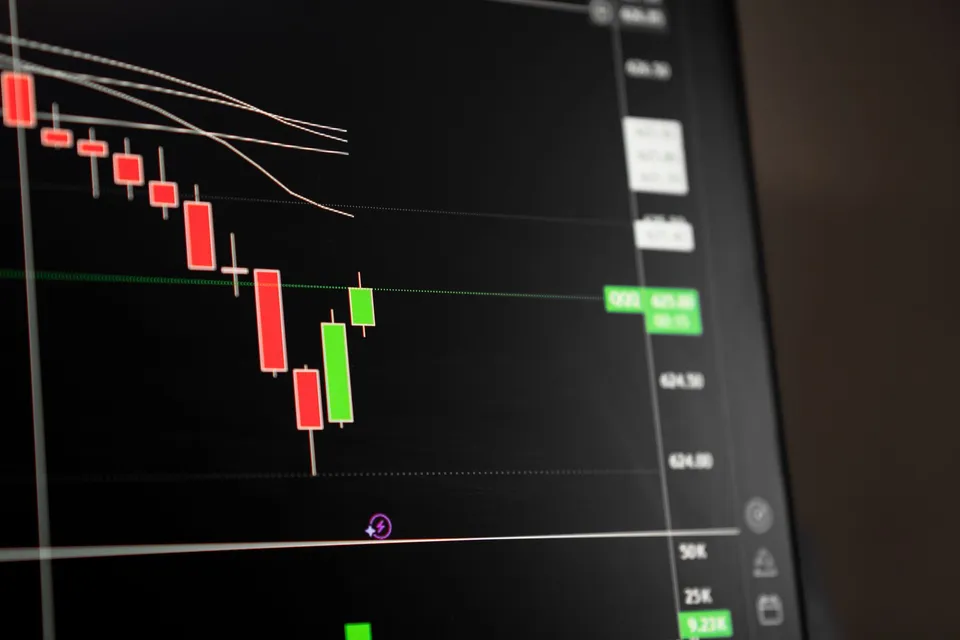
High energy prices are driving up inflation, prompting central banks worldwide to raise interest rates to combat rising costs. Typically, these macroeconomic conditions weigh heavily on equities. Yet the Swiss stock market recorded significant gains during the week, with the Swiss Market Index climbing nearly 4.4 percent since Monday. This upward movement generated half of the index's total year-to-date gains in a single week. Furthermore, the rally was broadly based rather than driven by a few isolated firms, as demonstrated by the SPI index—which encompasses large, small, and mid-sized companies—moving 3.2 percent higher over the same period.
Market participants point to a pronounced sector rotation as the primary catalyst. Investors have pulled capital away from technology and artificial intelligence-related equities, channeling funds into alternative assets. For instance, the US semiconductor index dropped by more than 6 percent at times, while South Korea's technology-heavy KOSPI index fell over 12 percent. In this volatile climate, investors sought refuge in defensive sectors including healthcare and non-cyclical consumer goods, areas where the structurally defensive Swiss market holds a prominent position according to market experts.
Strong corporate earnings reports further bolstered Swiss equities. Givaudan, the world's largest manufacturer of fragrances and flavors based in Vernier, surpassed analyst expectations with positive sales figures, sending its share price up by 14 percent since Monday. Additional momentum came from major index heavyweights within the healthcare and non-cyclical consumer goods sectors. Companies such as Sandoz, Lonza, Roche, and Nestlé advanced as investors recognized that pharmaceuticals and food products remain in demand during uncertain economic phases.
In contrast, the technology-heavy Nasdaq-100 index in the United States weakened notably. Elevated energy costs are accelerating global inflation, pushing the US inflation rate to 3.7 percent in September and reaching 3.8 percent in the European Union. Central banks have responded with recent rate hikes and are expected to tighten monetary policy further. Rising inflation constrains household budgets, impacting cyclical consumer goods such as apparel, electronics, and automobiles, purchases that consumers can readily postpone.
Rising interest rates also penalize growth-oriented technology titles, as lofty future earnings expectations lose present value in high-rate environments while debt-financed expansion becomes more costly. Artificial intelligence also came under scrutiny, pressuring sector companies amid concerns over whether massive infrastructure investments will translate into commensurate profits. Because Swiss IT firms play a minor role in artificial intelligence, they largely bypassed this correction, with the domestic sector finishing the week significantly higher against global trends.
Experts project continued positive signs for Swiss equities, notwithstanding potential short-term corrections. Rising oil prices, climbing inflation, and prevailing interest rate trajectories impact the Swiss market considerably less than regions like the eurozone, while the domestic economy successfully resists turbulent conditions. Ultimately, corporate earnings development remains the central driver for equity markets, and ongoing global sector rotation is expected to continue favoring Switzerland's high proportion of defensive quality enterprises.