Raiffeisen expects a sporting-event-adjusted GDP growth rate of 1.7 percent for Switzerland in 2026, according to its October economic outlook. This marks a sharp upward revision from the previously forecast 0.8 percent gross domestic product growth, bringing the figure into the range of potential growth. For the following year, economists estimate a growth rate of 1.3 percent.
Fears had been high that the conflict involving Iran would strangle the economy, drawing on experiences from the Ukraine energy crisis, and business sentiment did slump immediately following the outbreak of the war. However, hard economic data in the second quarter proved unaffected, with industrial production and exports accelerating. The pharmaceutical sector accounted for roughly half of the 1.5 percent quarterly growth. In September, business sentiment resisted both the renewed intensification of the Iran conflict and dry weather conditions, prompting the upward revision.
Raiffeisen raised its forecast for Swiss inflation in 2026 by 0.1 percentage points to 0.7 percent. For 2027, the bank projects inflation at 1.1 percent, which is 0.3 percentage points higher than predicted a month earlier.
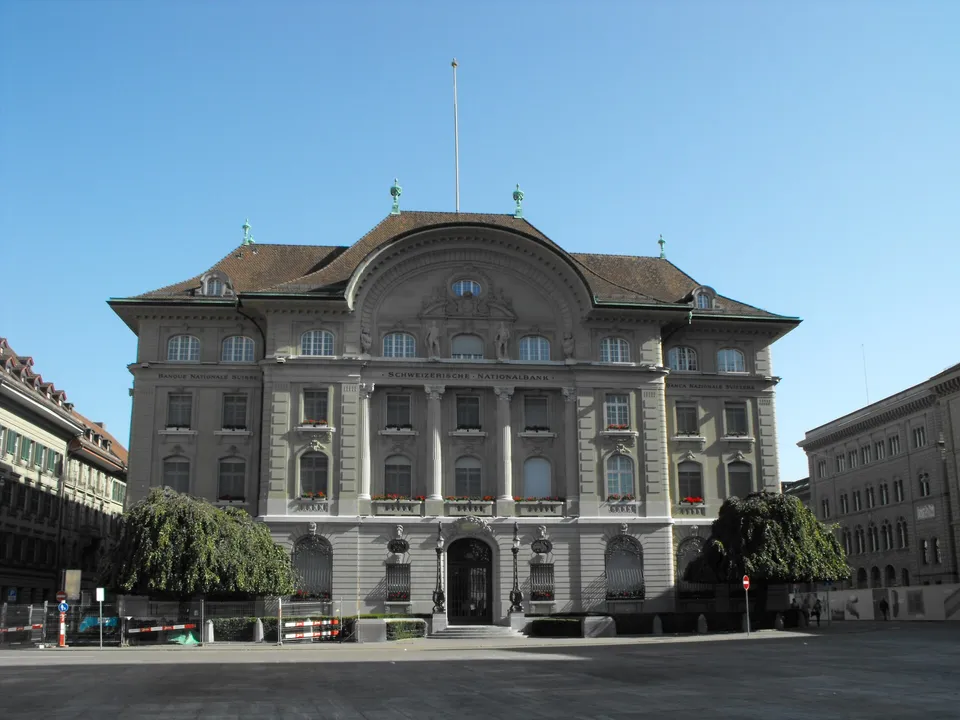
The report indicates that an interest rate hike by the Swiss National Bank could occur soon. SNB President Martin Schlegel reportedly has no doubts that inflation will remain within the SNB target band between zero and two percent, and the Swiss economy has demonstrated resilience. The report notes that a supportive zero-interest-rate policy thus appears increasingly inappropriate, though the SNB has remained cautious due to high uncertainty and prior long-term underutilization of industrial capacity. If the economic recovery continues and energy prices do not correct, an interest rate increase could happen as early as the next monetary policy assessment in December.
In the automotive market, the transition accelerated further as rising gasoline prices linked to the Iran conflict increased the appeal of electric vehicles. Selection has expanded into lower-cost segments, and the summer of 2026 marked a milestone as newly registered electric vehicles clearly outnumbered pure combustion vehicles for several consecutive months. The total share of electric vehicles in the existing fleet remains at approximately five percent.