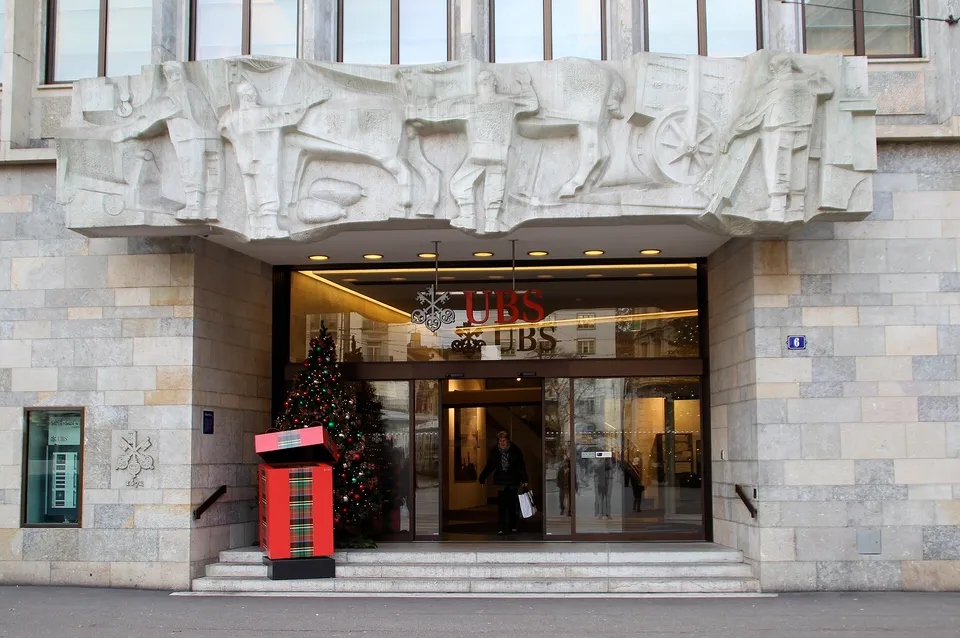
Perceptions regarding fine art collecting require revision as younger demographics emerge as a major force in the international art market, according to the recent Art Basel and UBS Survey of Global Collecting 2026. Conducted by Arts Economics in partnership with UBS, the research gathered data from 3,100 high-net-worth individuals across ten key art markets, including the United States, the United Kingdom, China, Hong Kong, Germany, and Singapore.
During the year 2025 and the first half of 2026, members of Generation Z spent more on fine art than any other surveyed age group. Their expenditures reached levels more than double those recorded by older generations. Furthermore, Generation Z accounted for nearly half of all buyers purchasing artworks valued at more than $1 million in 2026, a notable shift for wealth managers navigating the ongoing global wealth transfer.
Paul Donovan, chief economist at UBS Global Wealth Management, notes that the global wealth transfer is currently underway, while the findings indicate that younger collectors retain a preference for traditional categories such as paintings and sculptures. The data highlights a strong link between collecting behavior and wealth transmission. Family served as the primary entry point into art collecting for 28 percent of all respondents, a figure that rises to 40 percent among Generation Z participants. When inheriting art, younger collectors rarely liquidate the assets; nearly 90 percent of inherited works remain within the possession of the succeeding generation. Consequently, art assumes an additional dimension for financial institutions, family offices, and wealth managers as a component of intergenerational wealth planning rather than solely a collectible item.
Motivations for acquiring art center primarily on uniqueness and rarity, cited by 43 percent of respondents as the leading drive, while peer recognition and prestige hold lesser importance. Among Generation Z, the emphasis on rarity and uniqueness is even more pronounced. Clare McAndrew, founder of Arts Economics, observes a shift away from demonstrative consumption toward a desire to forge relationships within tight-knit networks. Status within these circles derives from rarity, provenance, originality, and discovery capabilities rather than the monetary value of a piece. Despite belonging to the digital age, Generation Z collectors exhibit high levels of discretion, sharing collection details publicly online least often and favoring invite-only spaces. McAndrew identifies privacy as a core element of personal and cultural identity for younger collectors, signaling that discretion retains high value for the next generation of wealthy clients through new formats.
Self-directed research is expanding across the market, with 72 percent of total respondents conducting extensive or thorough independent investigations before making a purchase. Within Generation Z, that proportion increases to 80 percent. More than half of collectors utilize online channels for information, recommendations, and advice, while applications and artificial intelligence-based research tools have experienced a marked increase in adoption over a two-year period. This trend mirrors developments in traditional investment services, where wealthy clients enter advisory discussions with advanced preparation and digital tools. Despite these technological shifts, long-term legacy intentions persist, with nearly a quarter of respondents planning donations to museums within the subsequent twelve months, alongside support for artist prizes, foundations, residency programs, and private museums. Preserving collections for the next generation remains a primary motivation, underlining the growing intersection of wealth transfer, art, succession planning, and next-generation advisory services.