Germany and Europe are confronting a severe economic downturn that constitutes a 'perfect storm,' according to Hartmut Jenner, the chief executive of German cleaning equipment maker Kärcher. Writing in an opinion piece, Jenner stated that geopolitical tensions are casting a dark shadow over the European economy. He highlighted that unpredictable U.S. trade policy constantly threatens to introduce sudden tariffs and trade barriers, creating a toxic environment for free global trade and export-reliant enterprises.
Alongside U.S. trade dynamics, the executive cautioned that China has evolved beyond a low-cost manufacturing hub into a highly aggressive technological competitor. Backed by targeted state industrial policy, massive subsidies in strategic sectors, and a currency policy geared toward competitiveness, China operates with tremendous speed and creates market distortions and overcapacity. For private companies like Kärcher, these conditions generate an imbalance that makes fair global competition nearly impossible.
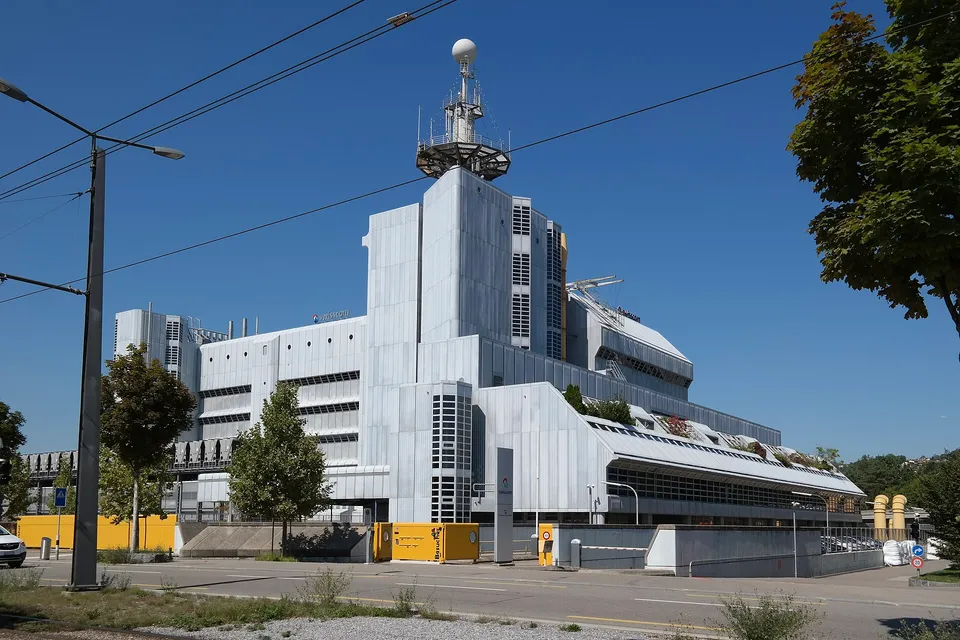
Jenner, who has led Kärcher since 2001 and tripled both its workforce and turnover during his tenure, warned that deindustrialization is an active reality rather than an abstract risk, citing the loss of thousands of industrial jobs and declining production volumes. When key domestic industries such as manufacturing and automotive negotiate plant closures and production relocations, the region has reached a critical turning point. Kärcher has navigated these difficulties through heavy investments in research and development, maintaining over 1,000 employees globally in R&D focusing on cleaning robots, battery technologies, and business digitalization. Founded in 1935 and headquartered in Winnenden in Baden-Württemberg, the family-owned company generated nearly €3.5 billion in turnover in 2025, deriving 86 percent of that revenue abroad across operations in 87 countries with 17,000 employees.
Despite Kärcher's position as an innovation leader with a portfolio exceeding 3,000 products, escalating structural and labor costs mean that establishing new production facilities and creating additional jobs in Germany and Europe are barely economically viable. Jenner criticized the German government, arguing that projected economic growth of 1.3 percent is cautiously optimistic but fundamentally 'borrowed growth' driven artificially by government debt, defense orders, and subsidies rather than a self-sustaining recovery in private investments. He attributed the ongoing weakness primarily to homegrown issues, pointing to reform fatigue and a regulatory frenzy stretching from Brussels to Berlin that suffocates entrepreneurial courage.
To counter these pressures, the Kärcher chief called for a comprehensive fitness program for Germany, targeting rigid rules, excessive bureaucracy, high energy costs, and climbing non-wage labor costs. He stated that documentation requirements waste millions and tie up personnel needed for core operations, urging a cultural shift where administrative authorities function as pragmatic, fast, AI-supported service providers. Furthermore, Jenner advocated for labor market discussions, arguing that demographic trends require an expanded overall volume of work through incentives for overtime, flexible working hours, practical rules for continued pay during medical leave, and reduced bureaucracy in hiring skilled workers. He also urged the European Union to pursue a resolute trade policy that guarantees fair conditions and punishes rule-breakers, concluding that restoring future competitiveness requires moving away from bureaucracy and returning to a can-do mentality, personal responsibility, and reliable framework conditions.