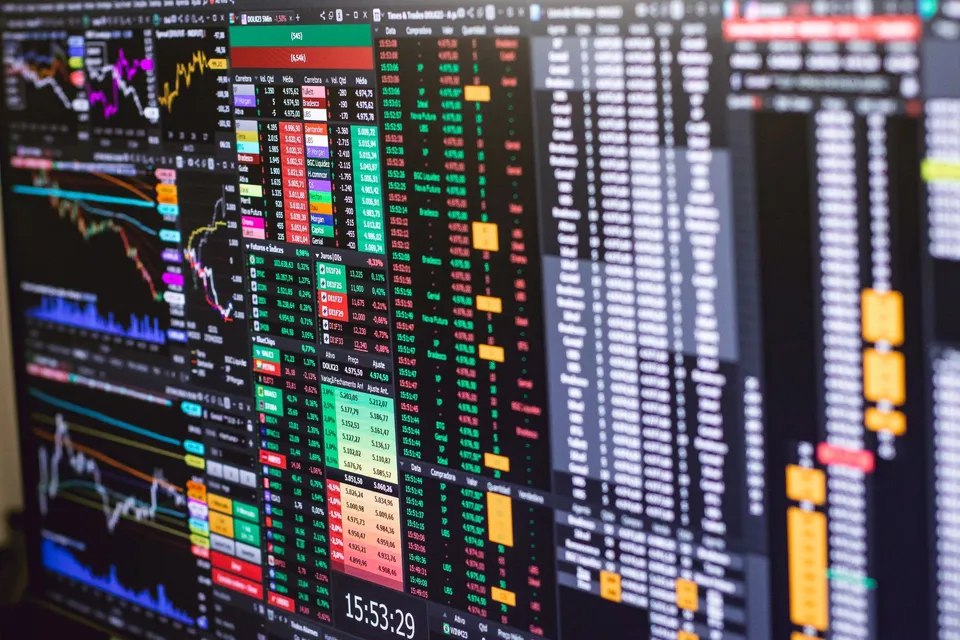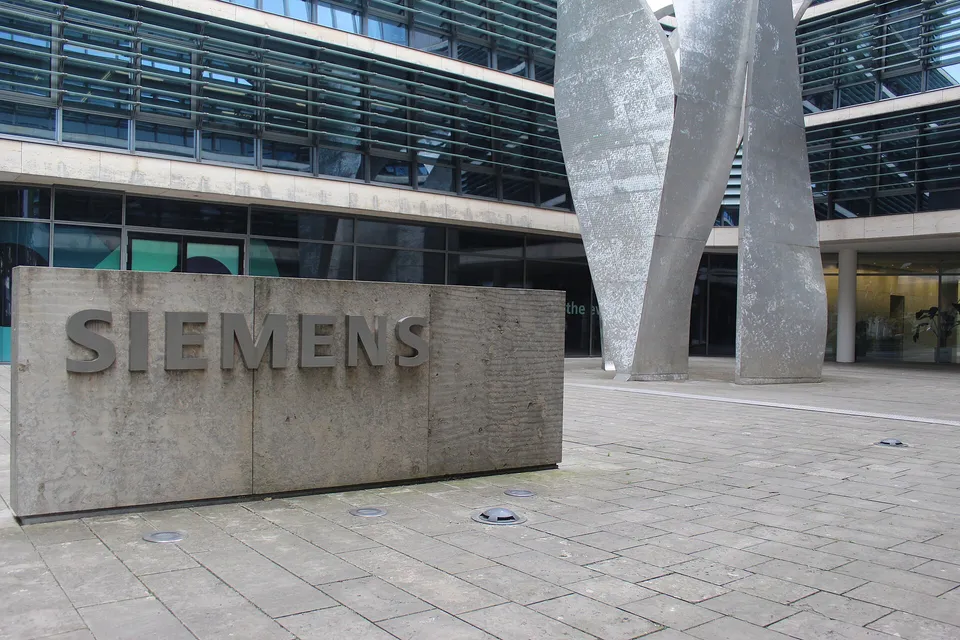
On the German stock market, nervousness increased on Tuesday ahead of the reporting season peaks for technology and artificial intelligence enterprises, accompanied by a partial shift in sentiment surrounding artificial intelligence. Shares in Siemens and other corporations specializing in automation, electrification and energy technology fell sharply despite record order intakes reported by Swiss competitor ABB. Papers belonging to European semiconductor manufacturers also came under pressure once again.
Within the weak Dax index, shares of Siemens, Infineon and Hochtief ranked near the bottom with price losses exceeding 3 percent, while Siemens Energy lost over 2 percent. A similar picture emerged in the EuroStoxx, where ASML and Schneider Electric dropped by around 3 percent. In the CAC 40, STMicro and Legrand declined by slightly more than 3 percent. ABB recorded the steepest drop in the Swiss Market Index, falling 5.7 percent.
Despite these declines, most of the session's losers continued to show solid performance for the year to date, driven primarily by semiconductor equities. The annual gain for Infineon stood at just over 35 percent, ASML at nearly 60 percent, and STMicro at nearly 70 percent. Among electrical engineering specialists, the year-to-date gain for ABB amounted to nearly 20 percent. Siemens and Siemens Energy posted gains of 7 percent and 8 percent respectively, continuing to outperform the Dax index, whose gain had shrunk to 2.5 percent.
Market observers noted that equities connected to artificial intelligence had moved almost exclusively upward over the preceding several years. Massive investment plans by members of the "Magnificent Seven"—Alphabet, Amazon, Meta and Microsoft—served as primary drivers behind the rally in chip and energy infrastructure shares. However, concerns expanded as doubts mounted regarding the profitability of these substantial investments. Additionally, inflation-driven increases in market interest rates elevated credit risks, leading to a fading of optimism about the continuation of the artificial intelligence and semiconductor boom. This trend was further reflected in the poor debut of South Korean artificial intelligence infrastructure and neocloud service provider Elice, which proceeded despite strong oversubscription. Attention also remained focused on US neocloud provider CoreWeave, which had recently faced pressure over potential financing requirements, alongside Applied Digital.
Attention on Tuesday evening and Wednesday after the close of US markets turned toward major heavyweights in the technology sector. SpaceX was scheduled to report first on the past quarter, followed on Wednesday by Meta, IBM, Lam Research and Bloom Energy.
George Featherstone, an analyst at Barclays, referenced a reported agreement between artificial intelligence software enterprise Anthropic and cloud infrastructure provider Nscale regarding a major acquisition of artificial intelligence computing power in a research note published on Tuesday regarding data center equipment suppliers. News agency Bloomberg had previously reported on talks between the two companies citing sources familiar with the matter. The analyst stated that this deal suggested the supply chain, which had recently achieved excessive profits, would need to move away from its purportedly unlimited ability to raise prices and expand margins.
Featherstone indicated high risks for providers in the energy services sector, specifically naming Siemens Energy, Siemens, ABB and Schneider, noting that their returns and margin expansions had progressed almost parabolically in recent years alongside the creation of substantial new capacities. At the same time, sentiment toward artificial intelligence was not entirely negative, with interest shifting increasingly toward equities of companies benefiting from the application of artificial intelligence, including firms in the insurance and healthcare sectors.